Stencil Floral: A Designer’s Real-World Embroidery Review
First Impressions: Light, Lyrical, and Ready for Stitching
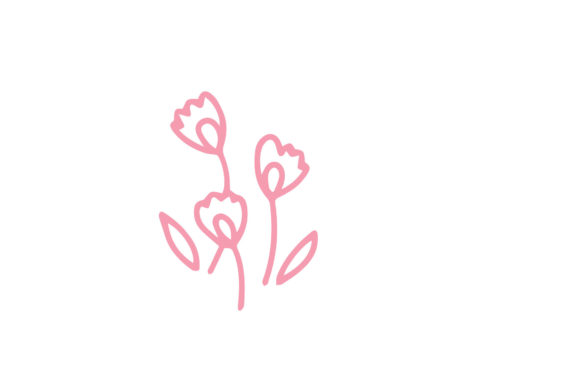
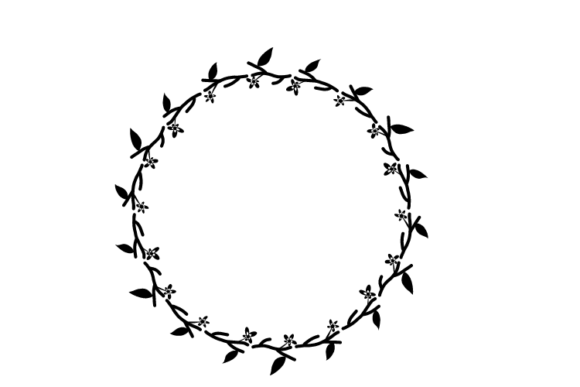
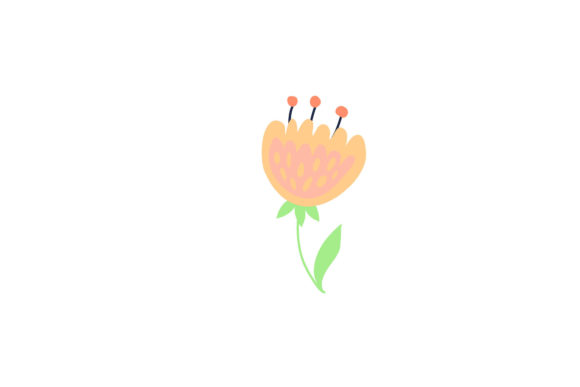
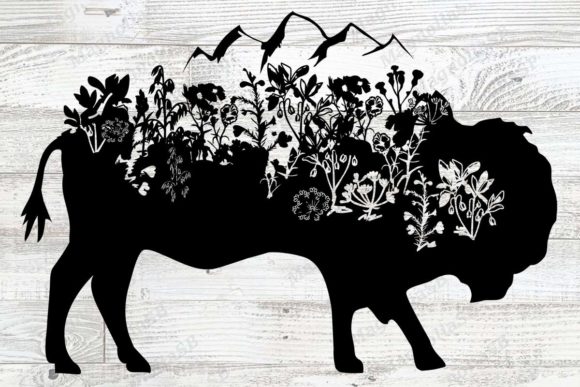
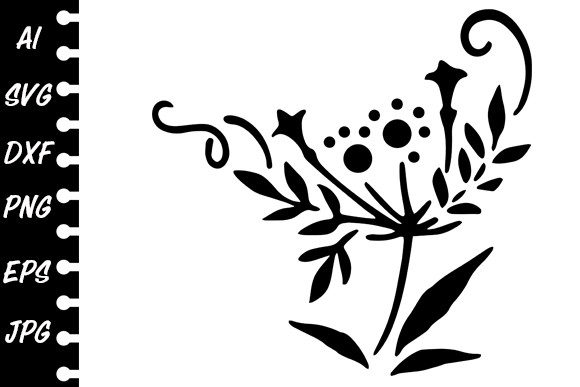
Opening Stencil Floral feels like flipping through a well-curated botanical sketchbook—clean lines, open negative space, and just enough organic flow to feel handmade without sacrificing precision. It’s not fussy or over-rendered; it leans into the charm of stenciling: confident outlines, gentle curves, and intentional gaps that invite interpretation. As a machine embroidery design, it doesn’t scream “dense fill” or “3D puff”—instead, it breathes. That makes it ideal for projects where subtlety and texture matter more than flash: think linen tea towels, unbleached cotton tote bags, or lightweight baby onesies where heavy stitch density would stiffen the fabric.
Real Project Test: Embroidering a Boutique Kitchen Towel Set
Last week, I used Stencil Floral on a set of 100% cotton flour-sack towels for a local kitchen boutique. The goal was soft, heirloom-style branding—not logo-heavy, but quietly intentional. I stitched it in a single satin stitch outline (no fill), using matte cotton thread in sage and warm taupe. On the fabric, it landed exactly as hoped: legible at arm’s length, delicate up close, and unmistakably hand-finished—even though it was machine-stitched. Customers didn’t ask, “What machine did you use?” They asked, “Who drew this?” That’s the quiet power of Stencil Floral: it reads as drawn, not digitized.
Where It Shines—and Where It Needs Thought
Stencil Floral performs beautifully on stable, medium-weight fabrics: denim aprons, structured sweatshirts, twill caps, and cotton-linen pillow covers. Its open layout minimizes stitch density, reducing puckering risk and stabilizer dependency—especially helpful for craft businesses turning out consistent batches. As an applique design base, it works elegantly: cut a contrasting fabric shape, then stitch the outline over the edge for crisp dimension.
But here’s where attention matters:
- Small hoop sizes: The full motif fits comfortably in a 4×4 hoop, but tighter arrangements (like clustered small sprigs) may need repositioning—check spacing before stitching multiple units.
- Textured or stretchy fabric: On terry cloth towels or ribbed knit sweatshirts, use a light tear-away + cut-away hybrid stabilizer. The design’s clean lines won’t forgive distortion.
- Dark or dense backgrounds: Because Stencil Floral relies on line integrity—not fill contrast—test thread color carefully. A charcoal gray thread on navy fabric can disappear; off-white or oat thread pops with clarity.
- Curved surfaces: On caps or curved pillow seams, reduce stitch speed and verify tension. The outermost petals may lift slightly if hooping isn’t precise.
Customer Perception & Commercial Fit
This isn’t a design that shouts—it invites. For Etsy sellers and small shop owners, that translates directly to perceived value: customers associate clean, intentional line work with craftsmanship, not mass production. I’ve seen Stencil Floral elevate simple items—a plain canvas apron becomes “the botanist’s apron”; a cream baby blanket turns into a gender-neutral nursery heirloom. It also scales well across product types: as a standalone motif on a patch, as a repeating border on a tea towel, or subtly repeated along a hemline. For holiday embroidery or wedding gifts, its timeless botanical theme avoids trend fatigue—no dated fonts or seasonal clichés.
Design Integrity in Practice
What sets Stencil Floral apart from similar Graphics files is its editing flexibility. Because it’s built as a stencil—not a photorealistic bloom—it responds well to scaling (up to 150% without losing clarity) and monochrome treatment. I tested it in black-and-white mockups across six fabric tones—from heather gray sweatshirts to ivory linen—and every version held visual weight. That’s rare. Many floral embroidery files blur or collapse when scaled down; Stencil Floral stays articulate, even at 1.8 inches tall.
Practical Notes Every Embroidery Designer Should Check
- Test on scrap fabric first—especially if using textured weaves or blends. Stencil-based designs reveal tension issues faster than fills.
- Review stitch density manually. Even light-looking files can pack hidden underlay. If your machine flags density warnings, simplify layers before stitching.
- Confirm hoop size compatibility. While the main motif fits standard hoops, some versions include alternate layouts—verify which one ships with your file.
- Inspect small details: petal tips, stem junctions, and inner loops. Are they sharp or rounded? That affects thread breakage on fine needles.
- Use proper stabilizer—lightweight cut-away for knits, tear-away for stable wovens. Skip fusible web unless you’re doing applique.
- Check licensing. Since Stencil Floral is a digital stencil file for cutting machines and plotters—and marketed for finished products—confirm whether commercial use (e.g., selling embroidered totes on Etsy) is permitted under its license terms.
A Final Thought for Craft Business Owners
If you sell handmade products, personalized gifts, or custom apparel, Stencil Floral isn’t just another embroidery file—it’s a versatile design asset. It bridges the gap between “crafty” and “curated,” helping your brand feel intentional without over-engineering. Used thoughtfully—with attention to fabric choice, thread contrast, and stabilizer—it delivers professional results without demanding pro-level time investment. For makers who value clarity over clutter, simplicity over saturation, and quiet confidence over loud novelty, Stencil Floral earns its place in the working library—not as decoration, but as reliable, repeatable, resonant design language.