Floral Decoration: A Designer’s Real-World Embroidery Review
First Impressions: Soft, Balanced, and Ready for Stitching
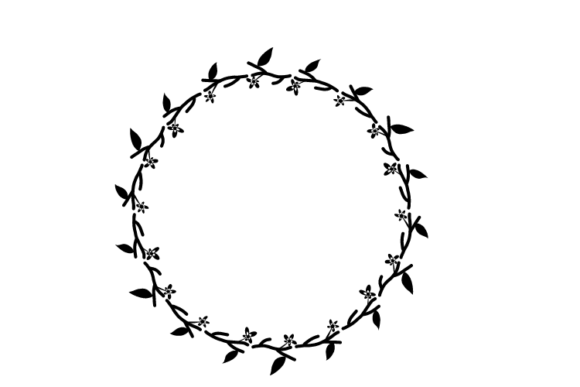
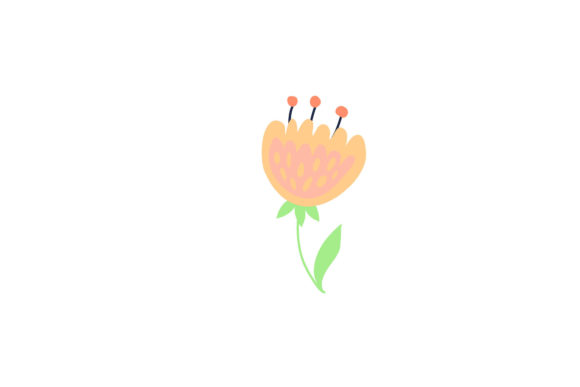
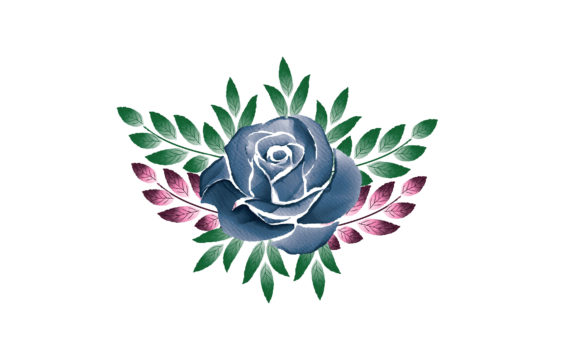
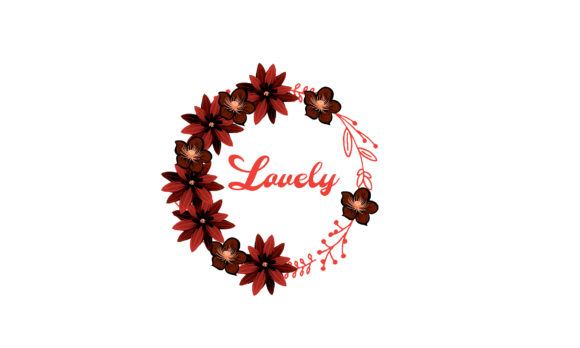
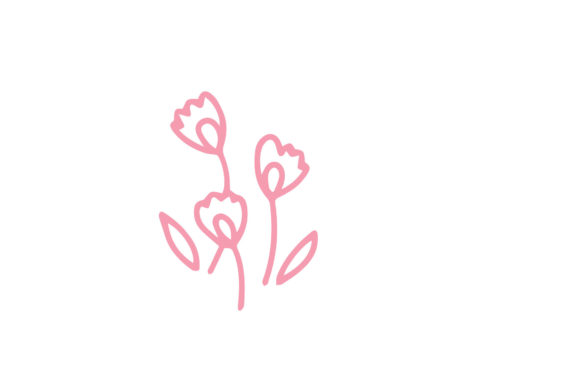
When I opened Floral Decoration for the first time—previewing the SVG and PNG files side by side—I felt that quiet satisfaction you get when a design *just fits*. It’s not overly fussy, not too minimal. The composition flows with gentle asymmetry: a central bloom anchored by trailing vines and subtle buds, all arranged within a natural 1920 × 1280 px canvas. There’s breathing room—not just empty space, but intentional negative space that translates beautifully to embroidery. As a designer who regularly converts graphics into machine embroidery designs, I immediately saw how this would behave under needle and thread: no frantic micro-details, no fragile stems prone to stitch breakage, and no dense fill areas begging for stabilizer overkill.
A Tote Bag Test: Where Personality Meets Practicality
Last week, I used Floral Decoration to embroider a linen-cotton tote for a local boutique’s spring launch. Not as a placeholder—but as the hero motif, centered on the front panel. Here’s what stood out: the scale held up perfectly at 4.5 inches wide (hooped comfortably in a 5×7), the curves stitched cleanly without puckering, and the open vine structure allowed the fabric texture to show through just enough—giving the finished product that elevated handmade product feel customers pay extra for. It didn’t scream “digital file”—it looked like it was drawn for cloth, not screen. That’s rare. And it made the tote feel cohesive, not “designed-in-a-rush.”
Where It Shines—and Where You’ll Want to Pause
Floral Decoration excels in custom apparel and soft home goods: sweatshirt embroidery gains warmth without heaviness; baby embroidery reads sweet and delicate (especially on organic cotton onesies); pillow covers and tea towels get instant charm without visual clutter. Its balanced layout works well on curved surfaces like caps—just rotate the design to follow the crown’s contour and avoid distortion in the outer petals. As an applique design, it’s forgiving: clean edge lines mean satin stitch binding stays crisp, even at moderate speeds.
But be thoughtful with execution. On thin or stretchy fabric—think lightweight tees or ribbed knit caps—use medium-weight cutaway stabilizer underneath and a light tear-away on top. Avoid placing the densest part of the bloom directly over seams or darts. And while the design is versatile across light and dark fabric, test thread colors early: soft sage or dusty rose threads elevate it on cream linen, but high-contrast black or navy pop best on oatmeal or charcoal sweatshirts. Don’t assume the JPG preview tells the full story—run a black-and-white mockup to check value separation before digitizing.
For Etsy Sellers & Small Shop Owners: More Than Just a Graphic
If you’re an Etsy seller or run a craft business, Floral Decoration isn’t just another digital embroidery file—it’s a quietly strategic asset. Its neutral-but-charming personality bridges multiple niches: nursery decor, wedding favors, holiday embroidery (add a tiny embroidered ribbon for Christmas), and personalized gifts like monogrammed aprons or kitchen towels. Because it’s offered in AI, EPS, SVG, JPG, and PNG formats, you can use it flexibly—not only for embroidery machines but also for printable mockups, social media assets, or even simple iron-on transfers (with appropriate testing). That cross-format availability means less juggling between tools and more time focusing on your brand consistency and customer trust.
I’ve seen too many small shop products lose perceived value because the embroidery feels generic or digitally flat. Floral Decoration avoids that trap. Its hand-drawn rhythm and organic spacing give finished products authenticity—something buyers notice, even if they can’t name why. When paired with quality thread and mindful placement, it signals care. And care sells.
Real Talk for Embroidery Designers
Before stitching your first project:
- Test the design on scrap fabric matching your target garment—especially for stretchy or textured fabrics like terry cloth or bouclé.
- Check stitch density visually: zoom in on the PNG or SVG preview. Look for areas where fill stitches might crowd—Floral Decoration avoids this, but always verify.
- Confirm hoop size compatibility. At full resolution, it scales cleanly down to ~3 inches or up to ~6.5 inches—ideal for most commercial embroidery projects—but measure your actual hoop before committing.
- Inspect small details: the tips of leaves, petal edges, and vine ends. They’re clean and open—not fussy—so they’ll translate well in running stitch or satin stitch outlines.
- Review licensing carefully. Since this is listed as a Graphics product in the Crafts category, confirm whether your intended use—especially selling finished embroidered items or reselling digital files—falls within permitted terms.
Final Thought: A Workhorse with Soul
Floral Decoration doesn’t try to be everything. It’s not a maximalist statement piece, nor is it so sparse it fades into the background. It’s a workhorse design with soul—calm enough for baby embroidery, refined enough for boutique branding, flexible enough for holiday embroidery or custom apparel runs. It supports your craftsmanship instead of competing with it. In a market flooded with over-digitized, over-complicated embroidery files, that kind of restraint is rare—and valuable. Whether you're prepping for craft fair inventory, building your Etsy listings, or designing for a client’s small batch of personalized gifts, Floral Decoration earns its place in your design assets library. Just remember: even the best embroidery file needs your judgment. Hoop it right. Stabilize it honestly. Thread it thoughtfully. Then let the flowers speak for themselves.