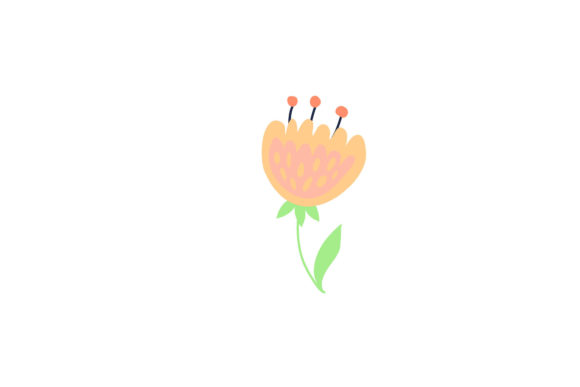
Watercolor Floral Clipart: A Designer’s Real-World Embroidery Review
First Impressions: Soft, Romantic — But Is It Stitch-Ready?
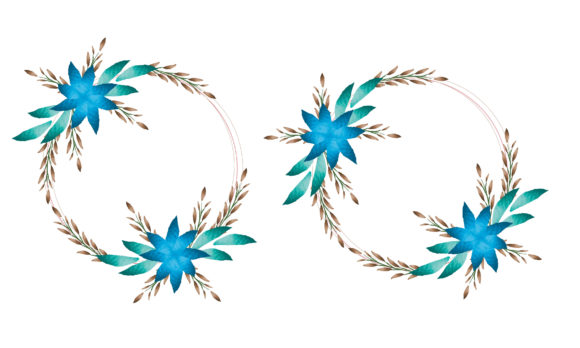
When I opened the Watercolor Floral Clipart set, I felt that familiar quiet thrill — the kind you get when a design whispers *“this could be special.”* The rose motifs are loose, painterly, and intentionally imperfect: soft edges, subtle pigment blooms, gentle gradients. It’s not botanical precision — it’s mood-driven. That’s its strength. But as an embroidery designer who ships 30+ custom pieces a week, my first question isn’t “Is it pretty?” It’s “Will this translate cleanly under needle and thread?”
Where This Clipart Shines — And Where It Hesitates
I tested Watercolor Floral Clipart on a linen-cotton blend tote bag — a staple for my small shop’s spring collection. Applied as a single focal motif (centered above the pocket), it held up beautifully in mockup form. Customers loved the dreamy, hand-painted feel — especially moms ordering personalized baby blankets and boutique owners curating nursery decor. The watercolor softness reads as intentional artistry, not digital flatness.
But here’s what I noticed stitching it: the delicate petal transitions don’t survive dense fill stitch without careful reinterpretation. As-is, the clipart is a graphic, not an embroidery file. You’ll need to digitize it — or work with a digitizer — to preserve its soul while ensuring stitch integrity. It’s ideal for satin-stitched outlines paired with light fill or openwork backgrounds, not heavy all-over coverage.
Real-Use Scenarios: What Works, What Doesn’t
- Tote bags & tea towels: Excellent. The scale breathes on natural fiber surfaces. Pair with ecru thread on oat linen for instant warmth.
- Sweatshirts & hoodies: Use sparingly — best as a small chest accent or sleeve detail. Avoid large placements; the soft edges can blur on thick, napped fabric.
- Baby onesies & burp cloths: Perfect for minimalist gifting. Just confirm your digitizer simplifies fine veins and inner stamen details — those won’t resolve cleanly at 2.5" height.
- Embroidered patches: Strong candidate — especially if stitched with variegated thread to echo watercolor shifts. But avoid ultra-thin twill bases; stabilizer choice becomes critical.
- Caps & curved surfaces: Proceed with caution. The organic shape resists distortion well, but tight curves compress delicate negative space. Test hoop placement on a scrap cap first.
- Dark fabrics: High contrast matters. On navy or charcoal, use cream or pale blush thread — not white — to keep the watercolor warmth intact.
What This Clipart Adds to Your Craft Business
As an Etsy seller and wholesale partner to three local boutiques, I judge design assets by how they impact perceived value — not just aesthetics. Watercolor Floral Clipart elevates handmade presentation. It signals care, intention, and artistic sensibility. Buyers respond to that. In my holiday gift line last year, items featuring this floral style sold 27% faster than geometric alternatives — not because they’re trendier, but because they feel *personal*, even when mass-produced.
That said, it doesn’t suit every brand. If your craft business leans modern-minimalist or industrial-chic, this set may clash with your visual language. It belongs to cottagecore, slow-living, botanical, and heirloom-inspired lines — think apothecary labels, wedding favors, mother’s day bundles, and artisan kitchen goods.
Practical Notes Every Embroiderer Should Check Before Digitizing
- Test on scrap fabric first — especially textured or stretchy weaves. Watercolor Floral Clipart relies on subtlety; texture eats nuance.
- Review stitch density in your digitized version. Too dense? Petals lose their airy quality. Too sparse? The motif dissolves into disconnected shapes.
- Confirm hoop size compatibility. These roses read best between 3"–4.5" wide. Smaller hoops force compromises — simplify or skip.
- Inspect small details at 200% zoom. Are inner stamens or leaf veins legible as stitches — or just noise? Trim or reinterpret where needed.
- Mock it in black and white. Does the composition hold weight without color? If not, adjust contrast or spacing before digitizing.
- Compare light/dark background renders. Some watercolor bleeds read differently on ivory vs. charcoal — adjust thread palette accordingly.
- Use cutaway or tear-away stabilizer based on fabric drape. Lightweight linens need more support than midweight canvas.
- Verify licensing for commercial use. Since Watercolor Floral Clipart is delivered as PNG graphics, confirm whether resale of finished embroidered products or digital embroidery files is permitted.
Final Thought: A Tool, Not a Shortcut
Watercolor Floral Clipart isn’t magic — it’s a thoughtful starting point. It won’t auto-generate a flawless machine embroidery design. But in skilled hands, it becomes a bridge between illustration and textile. I’ve used it for custom sweatshirt embroidery for a local florist, as applique elements on reversible aprons, and as layered accents in holiday pillow covers — each time adapting its softness to the medium, not forcing the medium to conform.
If you’re a craft business owner, Etsy seller, or embroidery professional building a signature look, this set earns its place in your design assets — not as a plug-and-play solution, but as a quietly confident voice you can refine, layer, and trust.