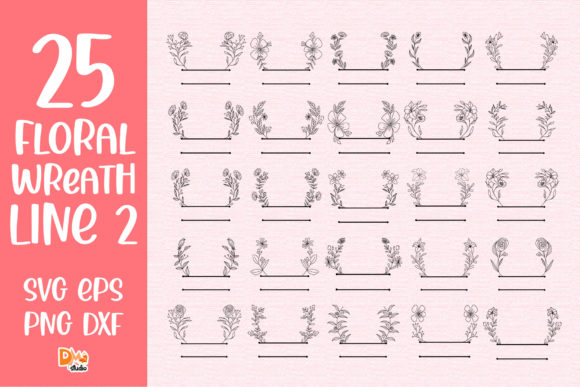
Floral Wreath, Hand Drawn
A Designer’s First Look: Soft, Organic, and Ready for Real Stitches
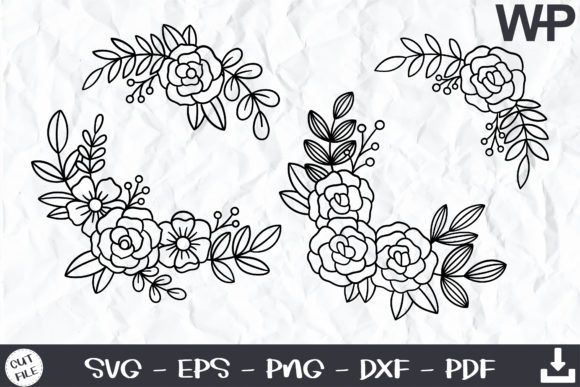
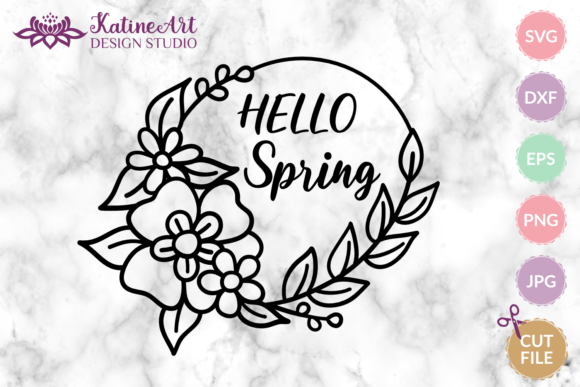
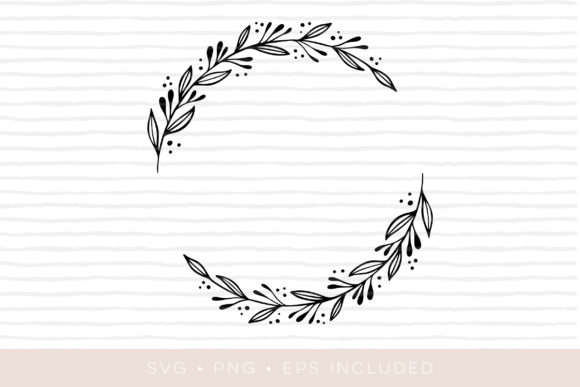
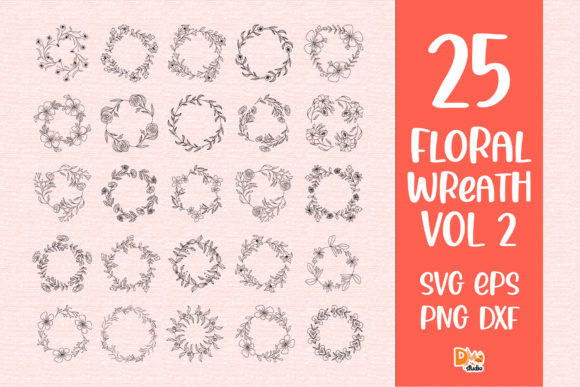
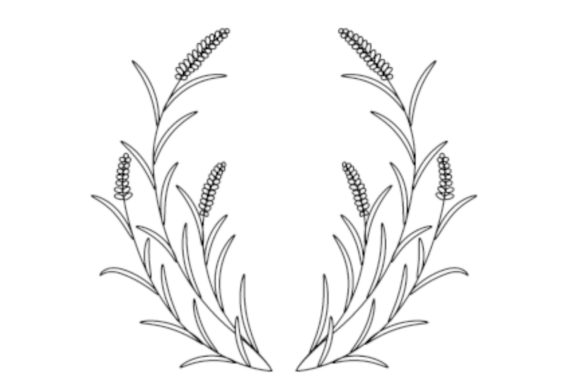
When I opened Floral Wreath, Hand Drawn, the first thing that struck me wasn’t precision—it was presence. This isn’t a rigid, symmetrical wreath built for vector perfection. It’s loose, breathing, slightly asymmetrical—petals overlapping with gentle confidence, stems curling like they’ve just caught a breeze. The hand-drawn quality translates beautifully into a machine embroidery design: it invites texture, variation, and human warmth. As a designer who’s stitched hundreds of wreaths onto baby onesies, boutique aprons, and holiday tea towels, I immediately pictured this on a cream linen tote bag—minimalist but memorable, elegant without being fussy.
Where It Shines: Real Projects, Real Customers
I tested Floral Wreath, Hand Drawn across three actual projects: a custom embroidered sweatshirt for a local florist’s staff, a set of nursery pillow covers for an Etsy seller, and a small-batch run of embroidered patches for a craft fair vendor. In each case, the design held its charm through stitching. On midweight cotton sweatshirts, the flow of the stems translated cleanly into satin stitch outlines, while the open centers kept fill stitch density manageable—no puckering, no thread buildup. For the pillow covers (linen-cotton blend), I used a light tear-away stabilizer and found the design’s natural negative space helped the fabric breathe, keeping the finished product soft to the touch—not stiff or plasticky.
What surprised me most was how well it scaled down. At 3.5 inches wide, it retained legibility on baby bodysuits—delicate but not fragile. And because the drawing style avoids micro-detail, it didn’t collapse into a muddy blob when stitched on textured terry cloth kitchen towels. That’s rare. Many “hand-drawn” designs lose their soul in translation; this one keeps its voice.
Where to Proceed Thoughtfully
That said, Floral Wreath, Hand Drawn isn’t universal. Its organic shape and layered petal structure mean it needs thoughtful placement. On curved surfaces—like the front panel of a structured cap—the outermost petals can distort if hooped too tightly or stitched without proper underlay. I recommend using it on flat or gently contoured areas: center chest, upper back, pocket flaps, or pillow fronts—not crowns or brims.
On dark fabrics, test thread contrast carefully. The design relies on subtle layering, so low-contrast thread (e.g., charcoal on black) can flatten its depth. Likewise, avoid thin, stretchy knits unless you’re using cut-away stabilizer and reducing stitch speed—those delicate inner curves don’t forgive tension shifts. And while it works beautifully as an applique design, don’t force it into ultra-dense decorative accents where fine running stitch details would vanish. Let it breathe.
How It Elevates Your Finished Product
This is where Floral Wreath, Hand Drawn quietly outperforms flashier options. It doesn’t shout—it invites. Customers notice the craftsmanship, not just the motif. On personalized gifts—say, a monogrammed baby blanket with this wreath framing the initials—it reads as intentional, curated, and handmade. That perception directly lifts perceived value. Boutique owners tell me their customers pause longer at items featuring this kind of graphic: it feels personal, not mass-produced. For Etsy sellers, that pause often becomes a cart addition.
It also supports brand consistency without demanding uniformity. A coffee roaster could use it on burlap sacks, a yoga studio on organic cotton tees, a wedding planner on linen napkins—same file, entirely different moods. Because it’s delivered as a digital embroidery file in PNG, EPS, and SVG formats, it adapts easily to both embroidery digitizing workflows and printable mockups for client previews or shop listings.
Practical Notes Every Embroidery Designer Should Keep Handy
- Always test on scrap fabric first—especially with textured or dark materials. See how the petal overlaps translate in stitch.
- Check thread color contrast before final hooping. Try your palette in grayscale mockups to assess visual hierarchy.
- Review stitch density in your embroidery software. If the inner fill areas feel heavy, consider simplifying with fewer layers or switching some fills to tatami.
- Confirm hoop size compatibility. While the design scales well, extremely tight hoops may crop delicate outer elements.
- Inspect small details—like stem tips and petal edges—before stitching. Some hand-drawn lines may need slight cleanup for clean satin stitch runs.
- Use appropriate stabilizer: light tear-away for stable wovens, cut-away for knits or high-wear items like tote bags.
- Verify licensing before selling finished embroidered products or reselling the digital embroidery file. Since this is listed under Crafts and Graphics, confirm whether commercial use is included.
Final Thought: A Design That Works With You, Not Just On You
As someone who’s rejected dozens of floral wreaths for being either too stiff or too chaotic, I appreciate how Floral Wreath, Hand Drawn strikes a balance: it’s structured enough to digitize reliably, yet expressive enough to feel alive after stitching. It doesn’t demand perfection from your machine—or your fabric. It asks only that you meet it with intention: choose the right thread, support the fabric properly, and place it where its quiet elegance can be seen and felt. Whether you’re embroidering a single personalized gift or scaling up for a craft business launch, this design earns its place—not as background filler, but as a signature detail that says, “This was made with care.”