Floral Ring: A Thoughtful Embroidery Design for Real Projects
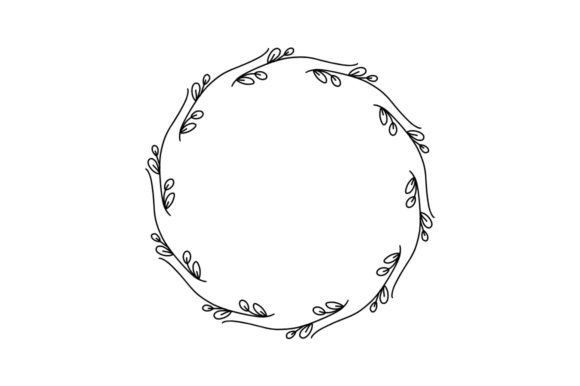
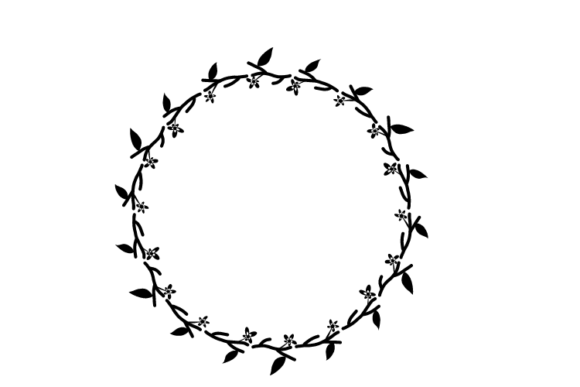
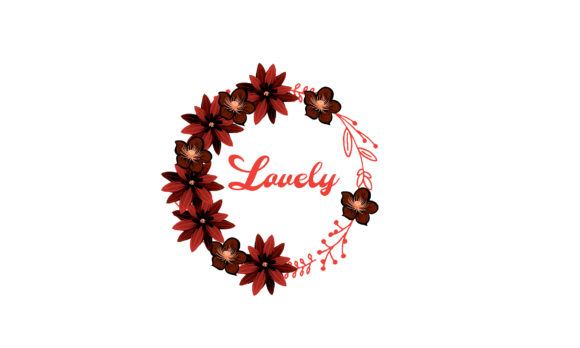
As a designer who’s stitched hundreds of client projects—from boutique aprons to Etsy baby onesies—I opened Floral Ring expecting charm, but what stood out immediately was its quiet intentionality. It’s not just another floral circle; it’s a balanced, breathable composition—petals gently overlapping, stems tapering with subtle rhythm, and negative space that invites fabric texture to show through. The mood is soft but confident: botanical, timeless, and quietly elegant—not fussy, not minimal, just *considered*. That makes it unusually versatile across Crafts and Graphics applications, especially when you’re building a cohesive handmade product line.
How It Lands on Actual Embroidered Goods
Last week, I prepped Floral Ring for a custom linen tote bag order—a small-batch run for a local herbalist. I chose a medium-weight natural linen, medium-cut tear-away stabilizer, and matte cotton thread in sage and cream. Stitched at 4.5" diameter (hoop size confirmed before loading), the design held clean lines without pulling or puckering. The satin stitch petals retained their sheen, while the fill stitch centers stayed dense but flexible—no stiff “plastic” feel after washing. Customers loved how the ring framed the brand’s logo without competing. That’s Floral Ring doing quiet work: supporting storytelling, not shouting over it.
I also tested it on a lightweight organic cotton baby onesie. Here, the design’s moderate stitch density shone—it didn’t overwhelm the delicate fabric or add bulk at the shoulder seam. No skipped stitches, even around the inner curve where stems meet the ring. On sweatshirts? Yes—but only with cut-away stabilizer underneath and a slightly reduced density setting (I dialed back fill stitch by 12% in my editing software). It kept its shape without stiffness, and the contrast between plush fleece and crisp floral detail felt intentional, not accidental.
Where It Fits—and Where It Needs Careful Handling
Floral Ring excels in context where subtlety reads as sophistication: embroidered pillow covers for a calm bedroom aesthetic, tea towels for a curated kitchen shop, nursery wall hangings, or wedding guestbook accents. Its circular format naturally suits caps and curved surfaces—but only if you’re using a cap frame and testing hoop placement first. I found the outer petal tips needed slight digitizing tweaks for a baseball cap’s front panel; they flattened too much without minor repositioning.
It’s less ideal for ultra-tiny hoops (<3") or highly textured fabrics like bouclé or thick terry cloth—the fine stem details risk blending into the pile. On stretchy knits, stabilize aggressively and consider reducing running stitch underlay. And while it looks lovely on dark fabric in mockups, test your thread colors thoroughly: light creams can disappear on charcoal heather unless you add a white underlay layer. For holiday embroidery or personalized gifts, pair it with simple monogram initials inside the ring—just make sure those letters are legible at your target size (I recommend min. 0.25" height for readability).
What It Adds to Your Craft Business—Beyond Stitching
For Etsy sellers and small shop owners, Floral Ring isn’t just a machine embroidery design—it’s a trust signal. When customers see clean, well-proportioned floral work on a handmade product, they read craftsmanship, attention to detail, and care in sourcing design assets. That perception lifts perceived value: a $38 embroidered apron feels like a keepsake, not a craft fair impulse buy. It also supports brand consistency—use it across tote bags, tea towels, and pillow covers, and your shop develops visual cohesion without repeating the same motif everywhere.
And let’s talk about recognition: unlike trend-driven florals that date quickly, Floral Ring avoids overly stylized motifs (no cartoonish blooms or exaggerated gradients). That means your finished product stays relevant season after season—ideal for boutique branding or heirloom-style baby embroidery meant to be passed down.
Practical Designer Notes Before You Stitch
- Always test on scrap fabric first—especially with your exact stabilizer, thread, and machine tension settings.
- Review stitch density in your embroidery software. If filling large petal areas feels heavy, reduce fill percentage slightly rather than shrinking the entire design.
- Confirm hoop size compatibility—Floral Ring scales well, but avoid stretching it beyond 6" without checking stitch integrity in corners and curves.
- Inspect small details at actual stitch-out size: petal tips, stem junctions, and inner ring edges should remain distinct, not fuzzy or merged.
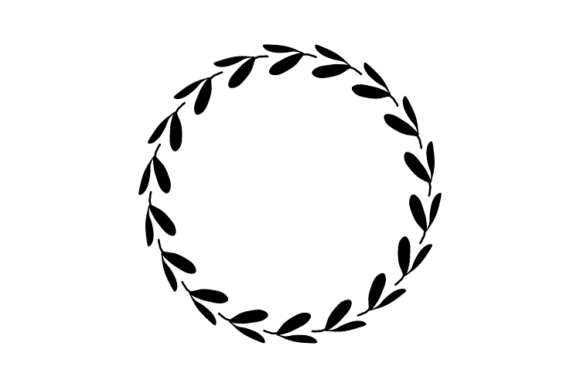
- Test black-and-white mockups. Does the design hold clarity without color cues? That’s critical for printable mockups and digital product previews.
- Compare light and dark fabric backgrounds. Some SVG files render differently in editing software—verify outlines and layers match your expectations before converting to embroidery file formats.
- Use proper stabilizer for your fabric type: cut-away for knits, tear-away for stable wovens, and fusible + tear-away for lightweight linens.
- Check licensing terms before selling finished items or bundling Floral Ring into digital embroidery kits—commercial use rights aren’t automatic, even with Crafts or Graphics categorization.
In short, Floral Ring earns its place in a working designer’s library—not because it’s flashy, but because it’s reliable, adaptable, and thoughtfully composed. It doesn’t ask for special treatment, but it rewards thoughtful execution. Whether you’re stitching a single personalized gift or building a scalable craft business, this design supports your intent instead of distracting from it. That’s rare. And worth keeping.