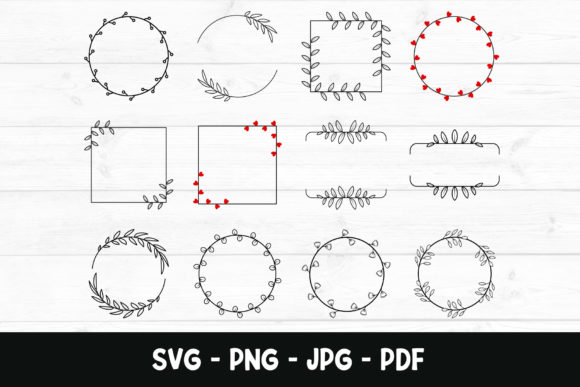
Border and Wreath Floral Frame
A Designer’s First Look: Delicate, Versatile, and Quietly Confident
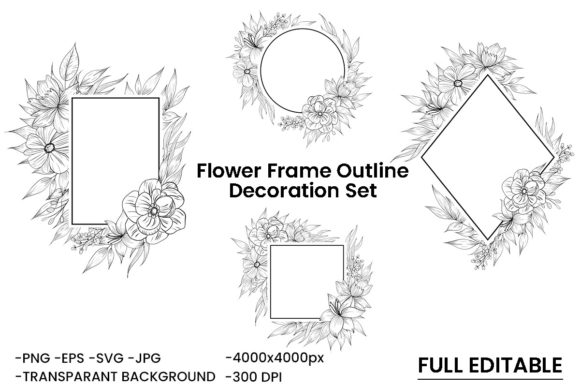
When I opened Border and Wreath Floral Frame for the first time, I didn’t see “just another floral graphic.” I saw a quiet rhythm—soft curves, balanced negative space, and botanical elements that breathe rather than crowd. It’s not overly fussy or hyper-realistic; instead, it leans into stylized grace. The wreath feels like it could cradle a monogram or center a baby onesie, while the border version suggests clean framing for a tea towel or pillow cover. As a designer who’s stitched hundreds of client projects—from boutique aprons to holiday gift sets—I immediately sensed its flexibility. But flexibility doesn’t mean universality. So I asked myself: where does this design truly earn its place?
Real-World Test: Embroidering a Linen Tote for a Local Gift Shop
Last week, I used Border and Wreath Floral Frame on a natural linen tote—intended as a small-batch product for a neighborhood artisan shop. I chose the wreath layout centered on the front panel, sized to 4.2 inches wide. On linen, with medium-weight cutaway stabilizer and 40-weight rayon thread, the satin-stitched petals held crisp definition, and the fill-stitched leaves stayed smooth without puckering. Customers responded to how “hand-finished” it looked—not stiff or digital, but intentional. That’s the quiet strength of this embroidery file: it bridges handmade charm and polished execution. It works especially well when you want elegance without fuss—think nursery decor, wedding guest towels, or personalized sweatshirt hems.
Where It Shines (and Where It Needs Thought)
Border and Wreath Floral Frame performs reliably across several common embroidery projects:
- Custom apparel: Works beautifully on crewneck sweatshirts and structured cotton tees—especially when placed on chest, sleeve cuff, or back yoke.
- Tote bags & kitchen textiles: Its open layout prevents bulk; ideal for tea towels, aprons, and canvas totes where stitch density must stay moderate for durability.
- Baby embroidery: Gentle scale and rounded forms suit onesies and burp cloths—just avoid tight corners near necklines or seams where fabric folds distort stitching.
- Patches & applique designs: The clean outer edge makes it easy to digitize as an embroidered patch or combine with fabric applique layers.
- Holiday & gifting: Add subtle gold thread or seasonal accents (a tiny red berry, soft sage green) to adapt it for Christmas, Easter, or baby showers—no redesign needed.
Use With Intention—Not Assumption
This isn’t a one-size-fits-all machine embroidery design. A few practical realities matter:
- Small hoop sizes: The full wreath may need scaling down below 3.5 inches to maintain detail in a 4x4 hoop—test stitch density first. Tiny buds or thin stems can vanish if shrunk too far.
- Textured or stretchy fabric: On knits or fleece, use tear-away + cutaway stabilizer combo and reduce top tension slightly. The design’s gentle curves can warp on unstable surfaces.
- Dark fabric: Light thread colors pop, but avoid pale yellow or cream on black without testing contrast. A quick grayscale mockup reveals legibility gaps faster than your machine does.
- Curved surfaces (caps, hats): The border version adapts better than the wreath here—its linear flow conforms more naturally to crown curvature.
- Frequent washing: Keep stitch density moderate. Overly dense fill areas in the floral centers may stiffen or crack over time on high-use items like kitchen towels.
What This Design Says About Your Finished Product
Your choice of embroidery file quietly shapes customer perception. Border and Wreath Floral Frame reads as considered—not trendy, not generic. When stitched cleanly, it adds perceived value to a handmade product: customers describe it as “thoughtful,” “elegant,” “like something from a curated shop.” That matters for Etsy sellers and small shop owners building brand consistency. It also supports trust: no visual clutter means fewer questions about sizing or placement. For personalized gifts, it frames names or dates without competing—making the recipient feel centered, not decorated.
Designer Notes You’ll Actually Use
Before stitching your first Border and Wreath Floral Frame project, do these five things:
- Test on scrap fabric *with your exact stabilizer and thread*—not just once, but with two thread color combos (e.g., navy + cream, forest + charcoal).
- Check how the smallest floral elements render at your intended size. If they blur or merge, adjust density or choose a simpler variant.
- Confirm hoop size compatibility—some versions may exceed 5x7” limits depending on assembly choices.
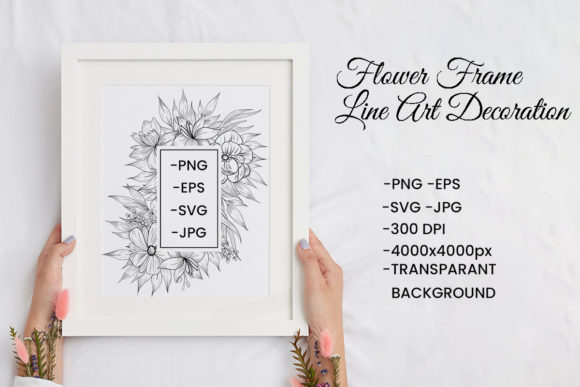
- Review the included PDF for layout guidance. Since files are offered in PNG, SVG, JPG, and PDF, remember: only vector (SVG) or embroidery-ready formats translate cleanly to machines—PNG/JPG are for mockups and print.
- Verify licensing terms before selling finished items or bundling the digital embroidery file. As a Graphics asset in the Crafts category, usage rights vary—don’t assume commercial permission.
Final Thought: A Thoughtful Tool, Not a Trend
I keep Border and Wreath Floral Frame in my go-to folder—not because it’s flashy, but because it’s reliable, adaptable, and respectful of both fabric and wearer. It doesn’t shout. It invites. Whether you’re stitching a single custom apron or prepping fifty embroidered pillow covers for a craft fair, this design helps you deliver calm confidence, not visual noise. In a market crowded with busy patterns and forced whimsy, that kind of quiet intention is rare—and valuable.